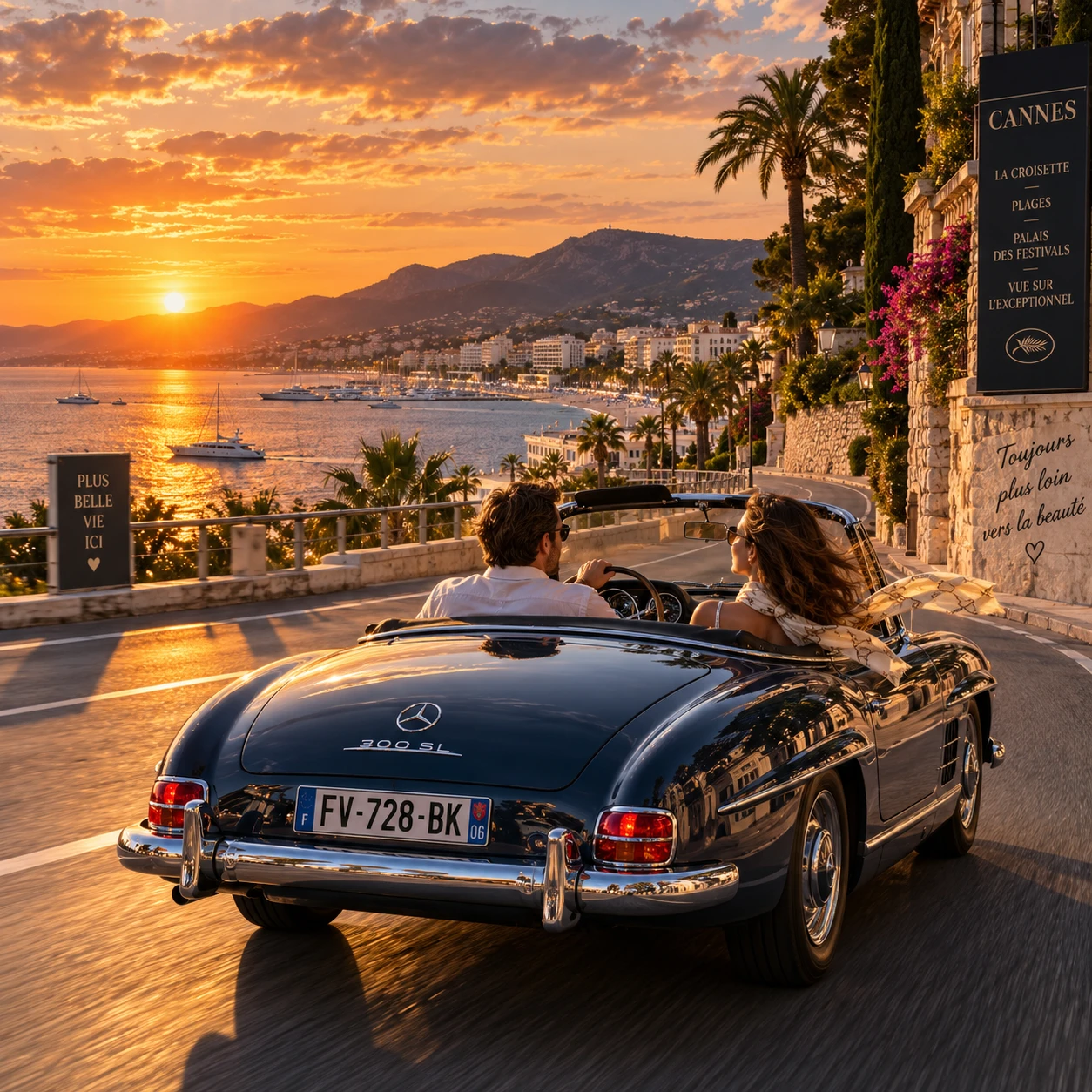

The Ultimate Mediterranean Yacht Experience: Exploring Monaco and Athens by Sea in 2026
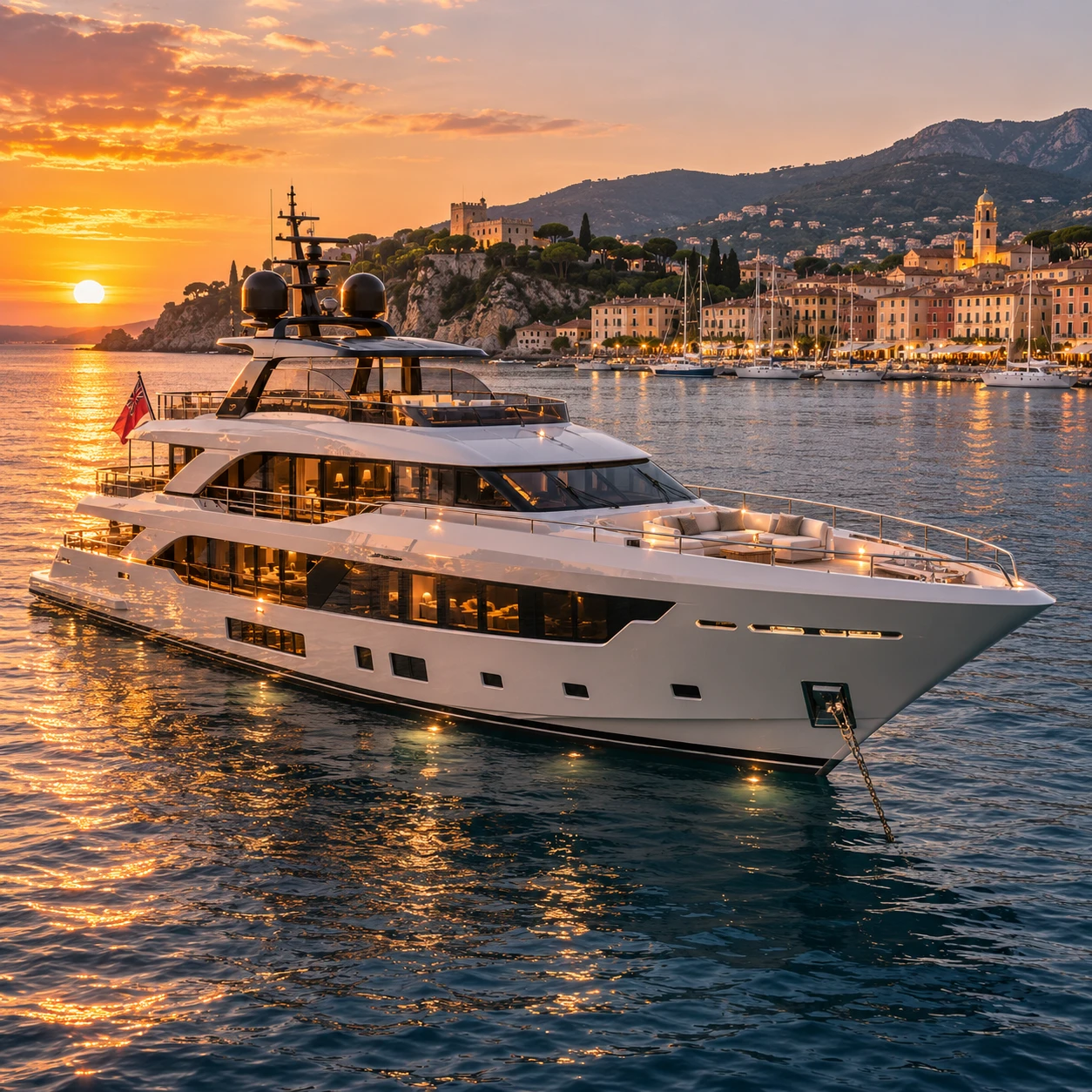
Why the Mediterranean Remains the Ultimate Yachting Destination in 2026
I've logged a lot of summers on the water by now, and the conclusion hasn't shifted: nothing else comes close to the Med. The distances are short — short enough that you wake up in one country and eat lunch in another. The food holds up from the first port to the last. And the coastline keeps reinventing itself: bare cliffs, then a quiet cove, then some old harbor town that's been taking in boats for a few thousand years.
That pull is just as strong in 2026. People want fewer airports and more time, and a yacht quietly hands you both. You unpack once. Your hotel moves with you, and the itinerary bends around weather and mood instead of a check-out time.
What follows is the pairing I'd pick over any other in the region: Monaco, all polished Riviera glamour, and Athens, with its ancient skyline and island-filled gulf. Each stands up fine on its own. Link them by sea — past Sardinia, Sicily and the Ionian islands — and you've got one of the great yachting runs in Europe.
Monaco by Sea: Glamour, Privacy, and the Principality Up Close
Monaco reads differently from the water. From the road it feels crowded and vertical, towers stacked up the hillside. Sit on deck at anchor and it opens right out. The harbor curls below the Palace on the Rock, the Casino terraces catch the late sun, and the whole amphitheatre of the principality stacks up behind you.
Port Hercule is the heart of it. Moor there and you're a short walk from the restaurants, the boutiques and the Monte-Carlo waterfront — your cabin and private deck still just a few steps away. Come in May and part of the Formula 1 Grand Prix circuit is visible from the harbor. Watching that weekend from a yacht is nothing like standing in a grandstand. Nothing at all like it.
The part I like most is how fast the crowds fall away. Give it an hour or two and you're in quiet anchorages along the Côte d'Azur: the bays around Cap Ferrat, the flat water near Villefranche-sur-Mer, the clear coves off Cap d'Ail. Swim, eat lunch on the aft deck, and be back under the city lights by evening.
Planning Your Monaco Yacht Charter in 2026
Timing matters more than most first-timers expect. Prime season runs late May through September. June and September are my picks — warm water, softer light, fewer people than July and August. Just know that Grand Prix week and the Monaco Yacht Show in late September are the priciest, most crowded stretches on the calendar, so book well ahead if those dates are the whole point.
For the Monaco coastline, I usually point people toward a motor yacht between 25 and 45 meters. Fast enough for the short hops between Monaco, Saint-Tropez and the Italian Riviera, stable at anchor, comfortable if you want air conditioning and real room to spread out on deck. Bigger superyachts exist, sure, but berths in Port Hercule are limited — smaller boats often get more freedom.
A premium charter normally comes with a professional captain, a chef, stewards and a deckhand or two. Expect tailored menus, toys like paddleboards and tenders, and a crew that quietly handles the details so you don't have to. Ready to compare vessels? This luxury yacht rental Monaco page is a solid place to start on options and availability.
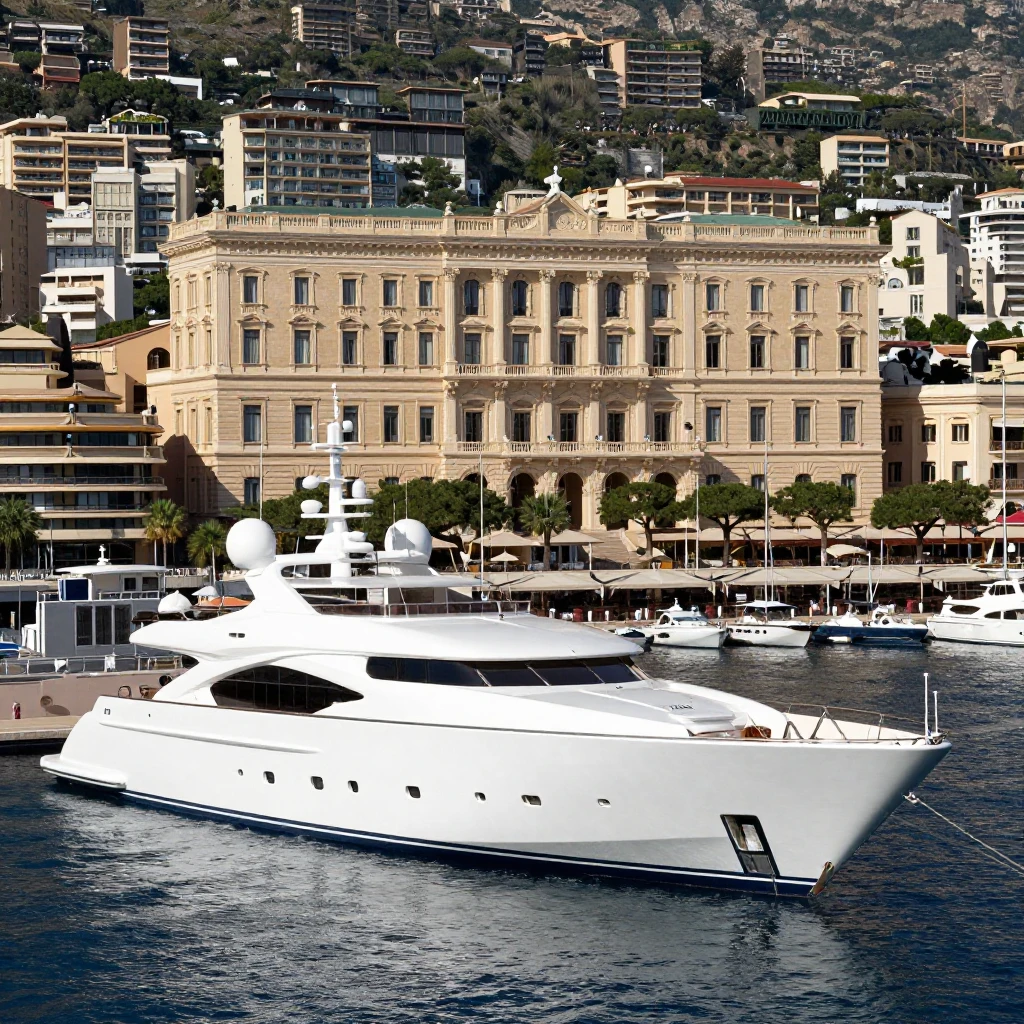
Sailing East: The Route from Monaco to the Greek Islands
Linking the French Riviera to Greece is a serious passage — roughly 1,000 nautical miles depending on your route — and it's also where a yacht trip stops being a holiday and turns into something closer to an adventure. Most guests either stretch it over two to three weeks or join at each end and let the crew handle the long delivery legs.
If you've got the time, the stops along the way are worth slowing down for:
- Corsica and Sardinia: Bonifacio's cliff-top old town, the turquoise bays of the Maddalena archipelago and Costa Smeralda — some of the clearest water you'll find in the whole Mediterranean.
- Sicily and the Aeolian Islands: Volcanic ground, Stromboli glowing at night, and genuinely good seafood in small harbors.
- The Strait of Messina and Calabria: A dramatic squeeze between Italy's toe and Sicily, with quiet fishing towns on both sides.
- The Ionian islands: Corfu, Paxos, Lefkada and Kefalonia — green hills, sheltered bays, and your first real taste of Greek hospitality.
From the Ionian side you can round the Peloponnese or cut through the Corinth Canal toward Athens. That last stretch builds nicely — the light changes, islands start appearing on the horizon, and you can feel the Aegean opening up ahead of you.
Athens as a Yachting Hub: Ancient History Meets Modern Luxury
Plenty of travelers still treat Athens as a city stop on the way to the islands. I'd argue it deserves to be the opening act. The Attica coast — marinas at Alimos, Glyfada and Lavrion — has turned into one of the most convenient charter bases in Europe, and the Saronic Gulf beyond it gives you sheltered sailing with short hops between stops.
Seeing the Acropolis from the water, or catching the Temple of Poseidon at Cape Sounion glowing as you sail past at sunset — no tour bus gets anywhere near that. A day or two on land in the city, then slipping out to the islands by sea. That's a balance that actually works: culture and doing absolutely nothing, in the right order.
The Saronic islands are the obvious first move. Aegina has its pistachios and the well-preserved Temple of Aphaia. Hydra has no cars — just donkeys, stone mansions and a harbor full of cafés. Spetses brings pine-covered hills and elegant waterfront architecture. For the practical side of a Greece-based charter — logistics, departure points, vessel options — the https://priveoyachts.com/locations/greece/athens/ page covers it well.
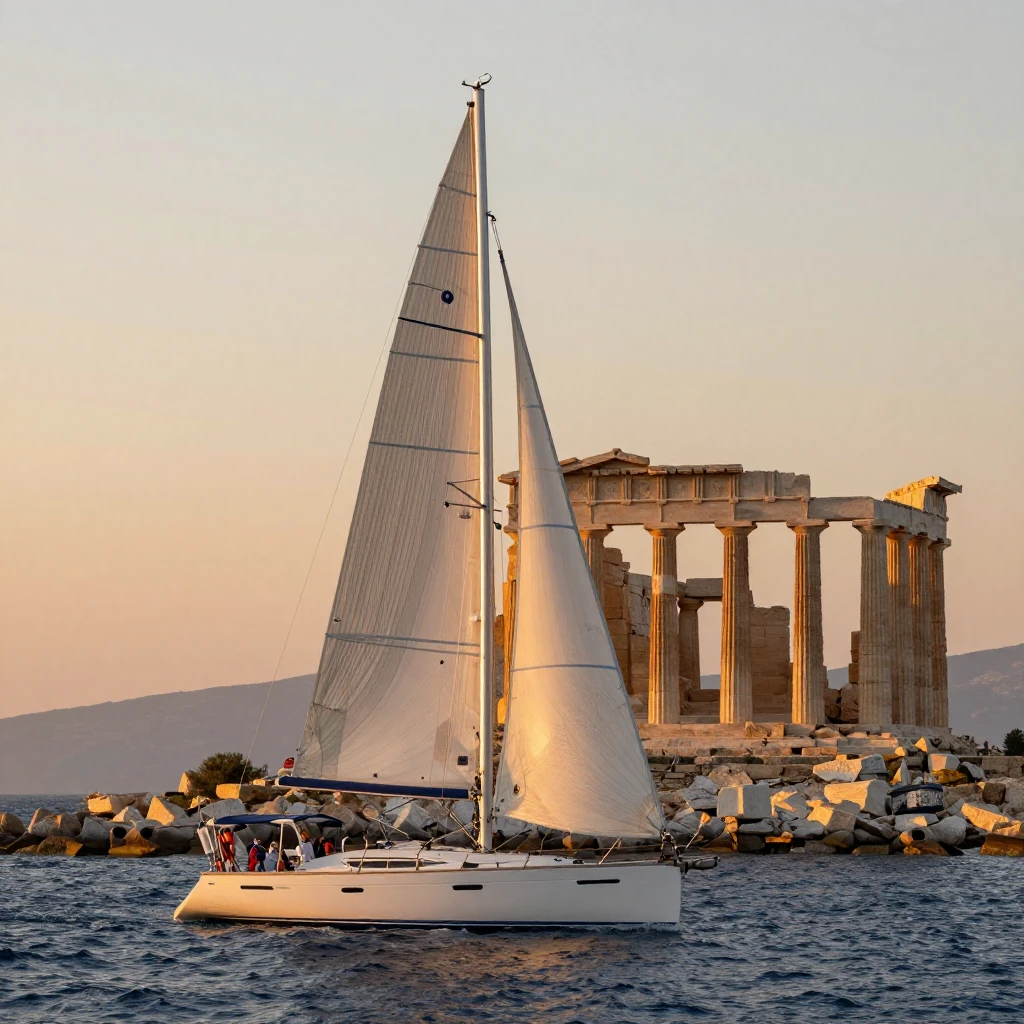
What to Expect from a Greek Island Charter Departing Athens
A week out of Athens covers more ground than you'd think. Here's a rhythm I like:
- Day 1: Board in Athens, then a short sail to Aegina for a swim stop and a relaxed dinner in the harbor.
- Day 2: On to Poros — narrow channel, clock tower — or anchor in a quiet bay and eat lunch onboard.
- Day 3: Hydra. Wander the stone lanes and watch the sunset from a waterfront terrace.
- Day 4: Sail to Spetses, rent a bike or take a water taxi around the island.
- Days 5 to 7: Push toward the Argolic Gulf and Epidaurus, or south to Kea and Kythnos for quieter anchorages.
Dining is half the fun. Your chef can turn out fresh fish, Greek salads and local wine onboard, but I'd always keep a couple of evenings free for tavernas. Grilled octopus a few meters from where your yacht is tied up — that's part of the deal, and skipping it would be a shame.
In 2026, July and August bring the meltemi — a strong northerly that gets the Aegean lively. The Saronic Gulf is more sheltered, but if you'd rather have calm conditions, late May, June and September are the sweet spot. Early October can be genuinely lovely too: warm water, far fewer people around.
Choosing the Right Yacht for a Monaco–Athens Journey
No single boat is perfect for every leg of this trip. It pays to match the vessel to the water you'll actually be on.
- Motor yacht: Best for the Riviera and for covering real distance. Speed, stability, climate control, big social spaces — the natural pick for Monaco and the long run east.
- Sailing yacht: For people who want the sound of wind and water. It suits the Saronic Gulf and the Ionian, where the hops are short and the sailing is gentle.
- Gulet: Traditional wood, generous cabins, relaxed pace. Good for groups and slow island hopping in Greece.
- Catamaran: Wide, stable and roomy. Great for families and shallow bays, less comfortable on long open-sea passages.
Crew matters as much as the hull. A good captain knows the local winds, the ports and the anchorages nobody posts about. A good chef can make a week onboard feel like a food tour of the whole region. Decide early between a fully crewed charter with full provisioning and something more flexible. First-timers usually love full service; experienced sailors sometimes want a smaller crew and more hands on the lines.
Tips for First-Time Mediterranean Charter Guests in 2026
First charter? Relax. The crew's whole job is to make it easy, and a few small habits make it better still.
- Talk to your captain early. Share your must-sees, dietary needs, any seasickness worries and how active you want to be. A good captain shapes the route around that.
- Pack soft and light. Soft-sided bags stow easily. Bring swimwear, linen, deck-friendly shoes with non-marking soles, a light jacket for evenings and plenty of sunscreen. Leave the hard-soled heels at home.
- Stay flexible. Weather runs the sea. If the wind shifts, your captain may suggest another bay or an earlier start — and the alternative is often better than what you originally planned.
- Budget realistically. The charter fee is only part of it. Plan for fuel, food and drinks, port fees, VAT or local taxes, plus a crew gratuity — usually 10 to 15 percent of the charter fee. Ask for a clear breakdown before you sign anything.
- Book early. The best yachts for July, August and the big Monaco events tend to be gone many months out. Start planning as soon as your dates are fixed.
The real magic is in how the two ends play off each other. Monaco gives you elegance, speed and cosmopolitan energy. Athens and its islands give you history, warmth and a slower pulse. Between them sits a sea that's carried travelers for millennia, and in 2026 you can cross it in genuine comfort. Plan properly, stay open to surprises, and the Mediterranean does the rest.